
Cato I - Choosing Wisely
In Cato I, an anonymous author flatters the reader with acknowledgements that they are capable of making an informed decision on whether or not to ratify the Constitution.
Cato I
September 26, 1787
In Cato I, an anonymous author (probably George Clinton) flatters the reader with acknowledgements that they are capable of making an informed decision on whether or not to ratify the Constitution.
His focus is to bring the reader's attention to the gravity of their situation.
Self Interest
Cato reminds his audience that they are fortunate to have had a say in creating the State Governments.
He also suggests they make decisions regarding the Constitution based on their self interest.
It is additionally presented that just because the Constitution was overseen by "a man who merits the confidence of the public" (George Washington) does not mean it should blindly be accepted. The author adds "the best of men may err, and their errors, if adopted, may be fatal to the community."
Light on Substance
Interestingly, Cato does not present much discussion regarding the Constitution itself.
With the exception of a sarcastic section regarding a standing army, the Paper almost completely focuses on the ability of the people to make the right decision regarding their future.
This series is only part of my regular publications, so…
If you want to keep up with all the Founders, make sure you subscribe to my daily newsletter here:
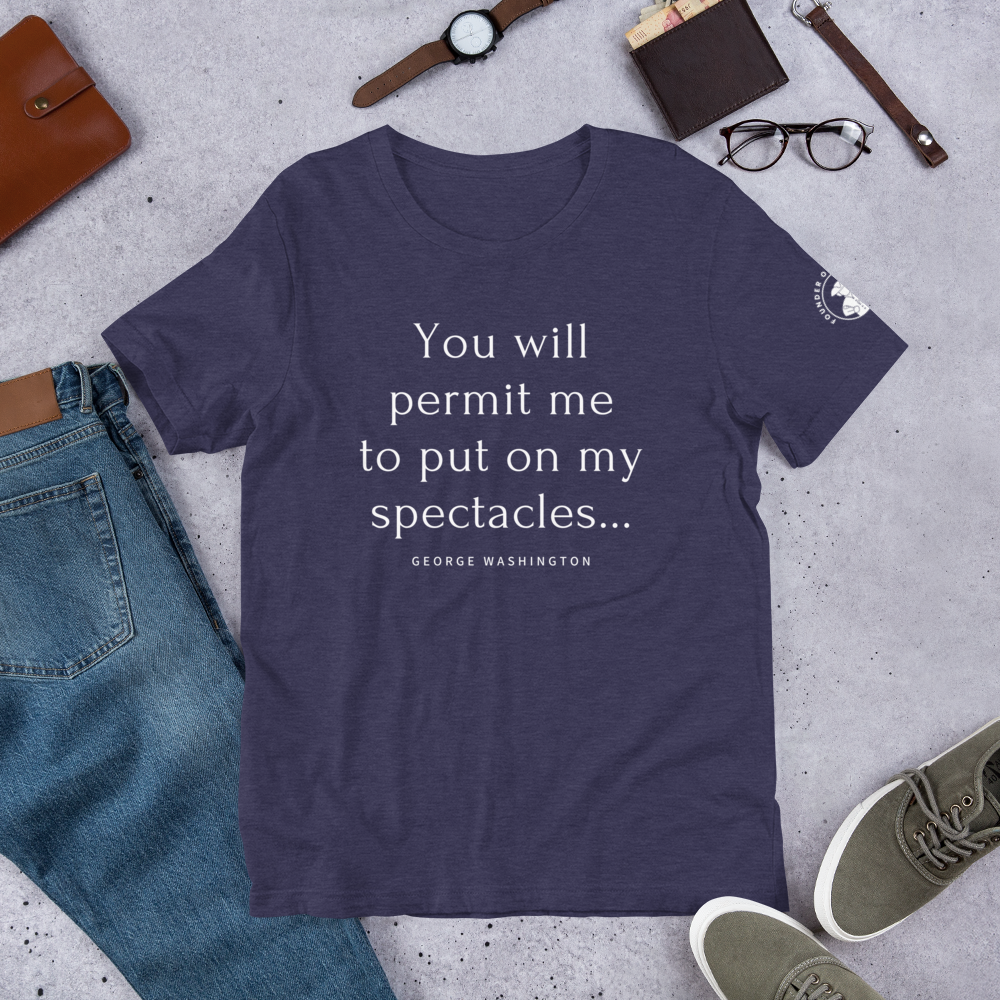
“You will permit me to put on my spectacles,” might seem like a silly quote from George Washington, but it is actually taken from one of the most important speeches in American history.
Washington spoke these words during the Newburgh Conspiracy and essentially used them to reject absolute power. With this phrase, he was able to prevent his Officers from threatening Congress.
• Additional Shipping and Handling
• Currently not accepting returns


